Last updated November 2, 2026
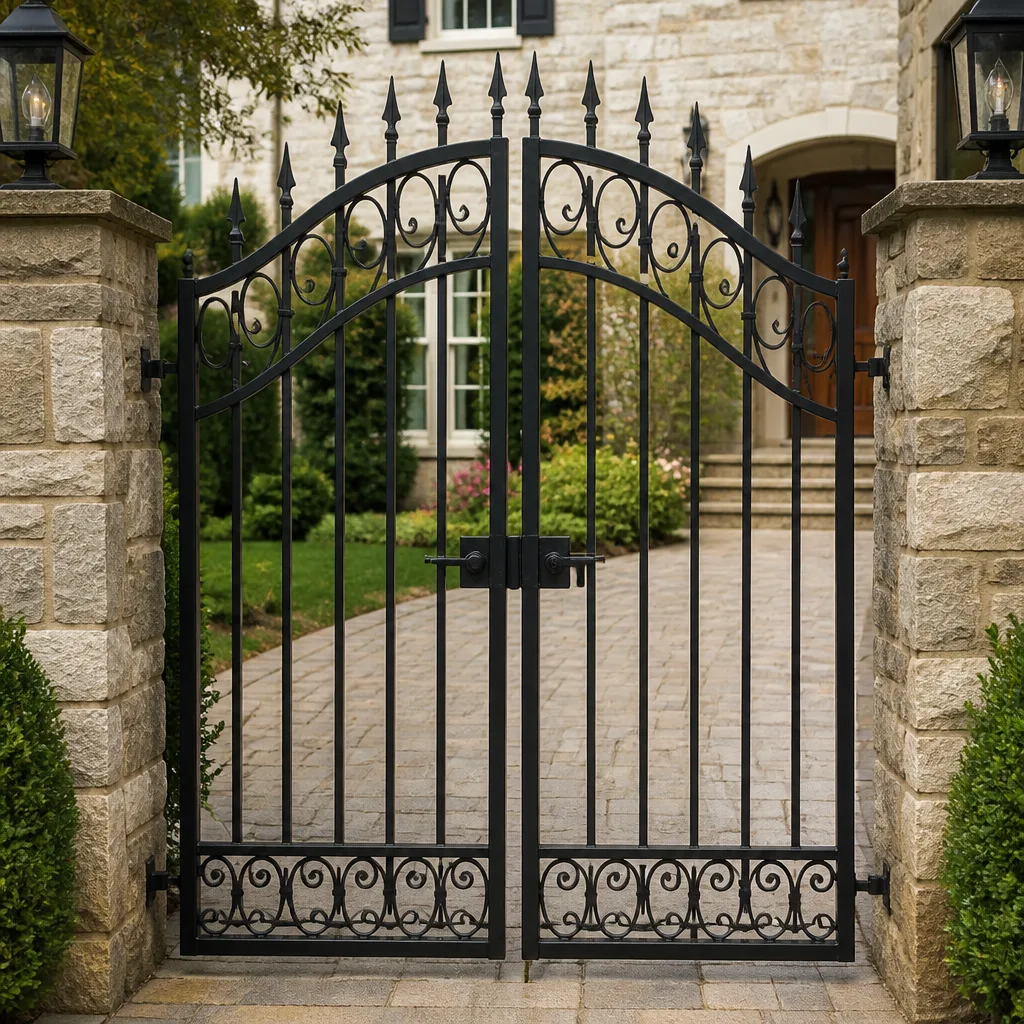 Wrought iron
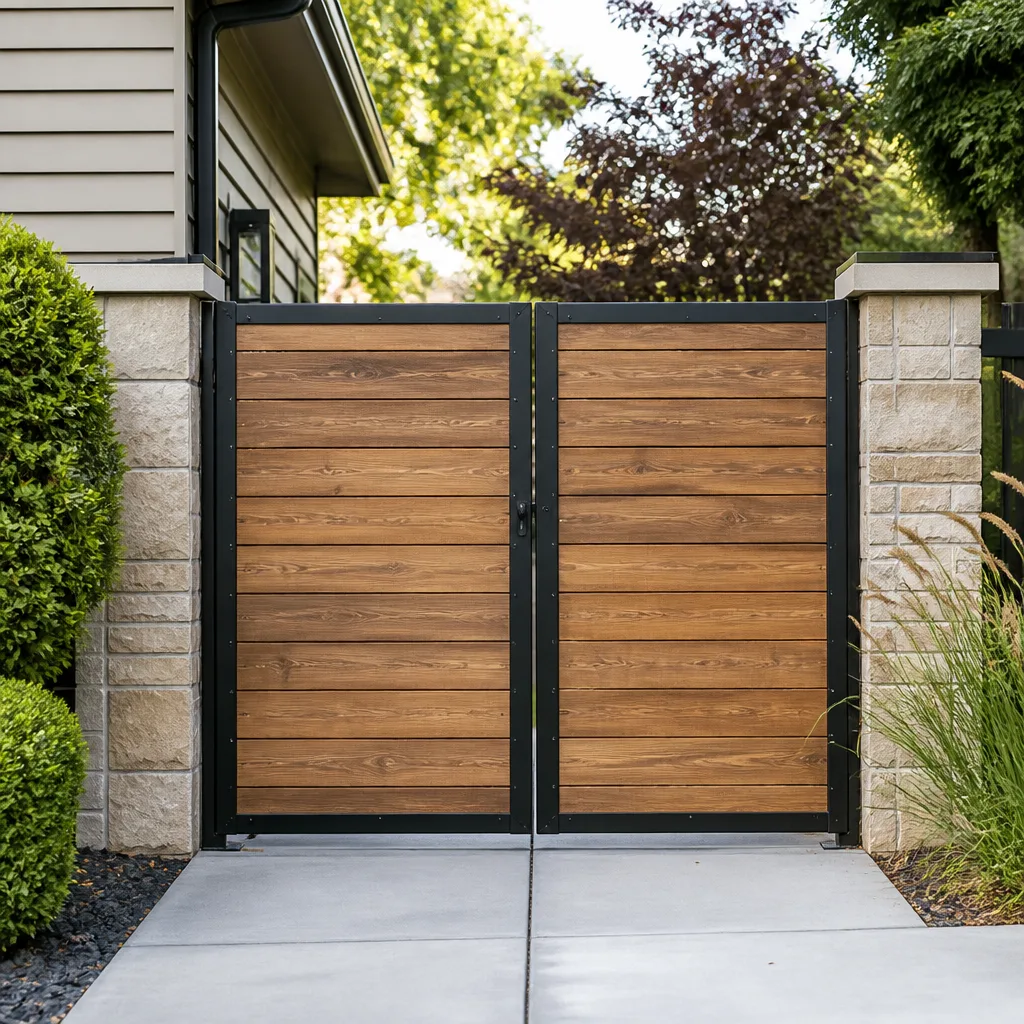 Wood & steel frame
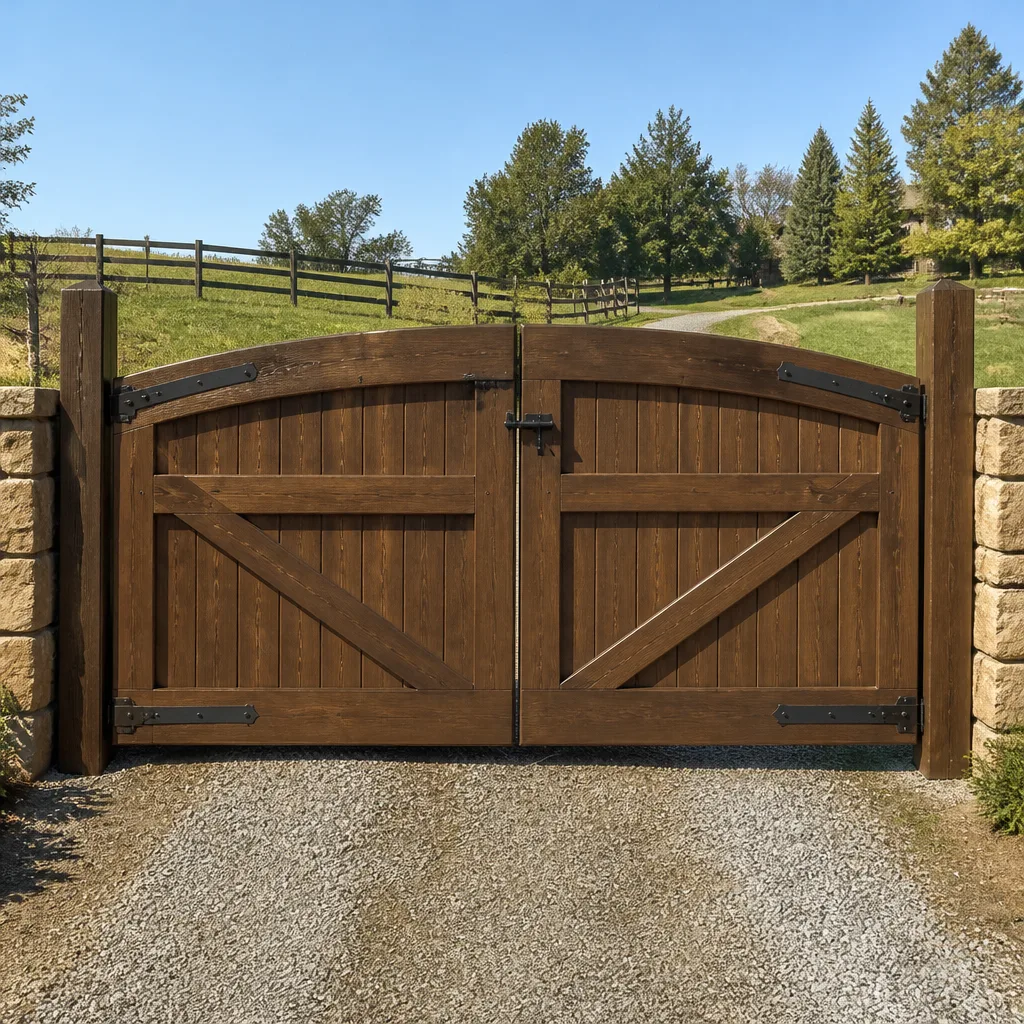 Farm & ranch
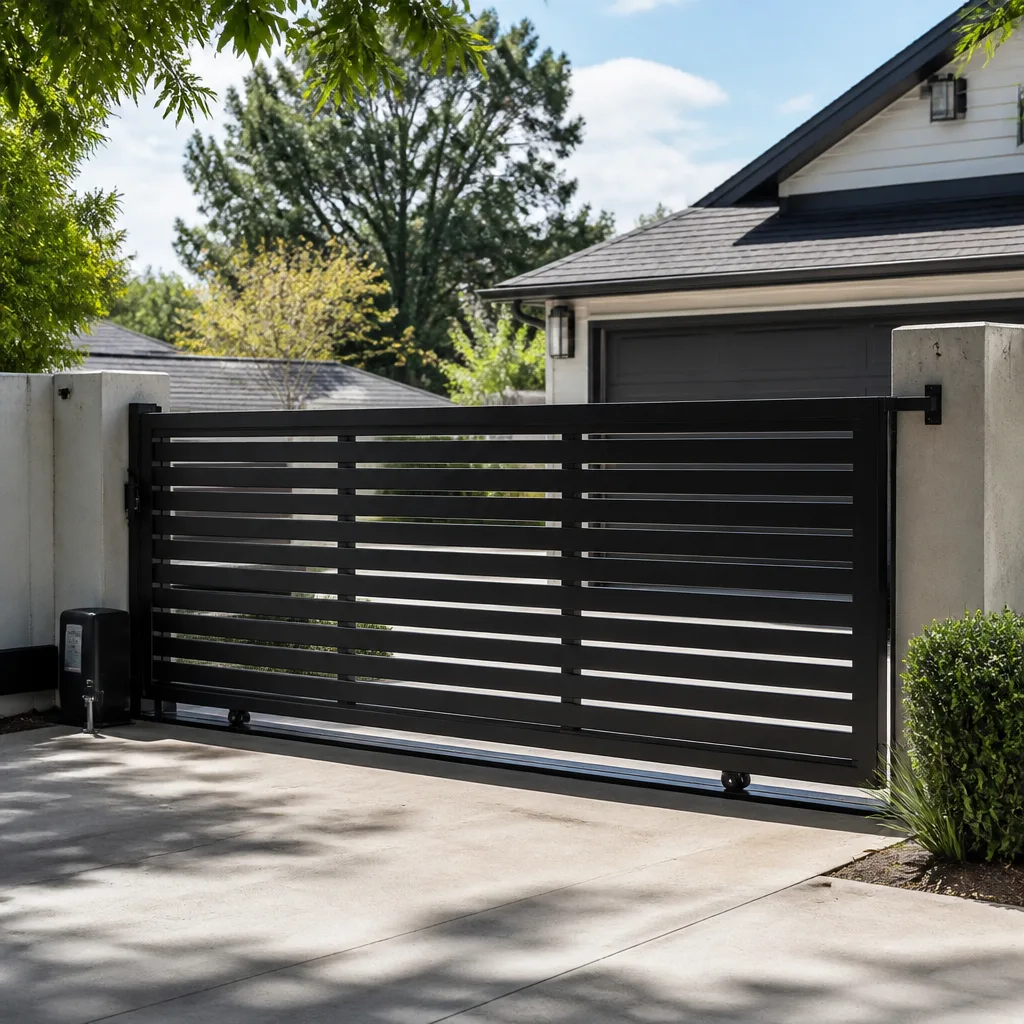 Sliding driveway gates
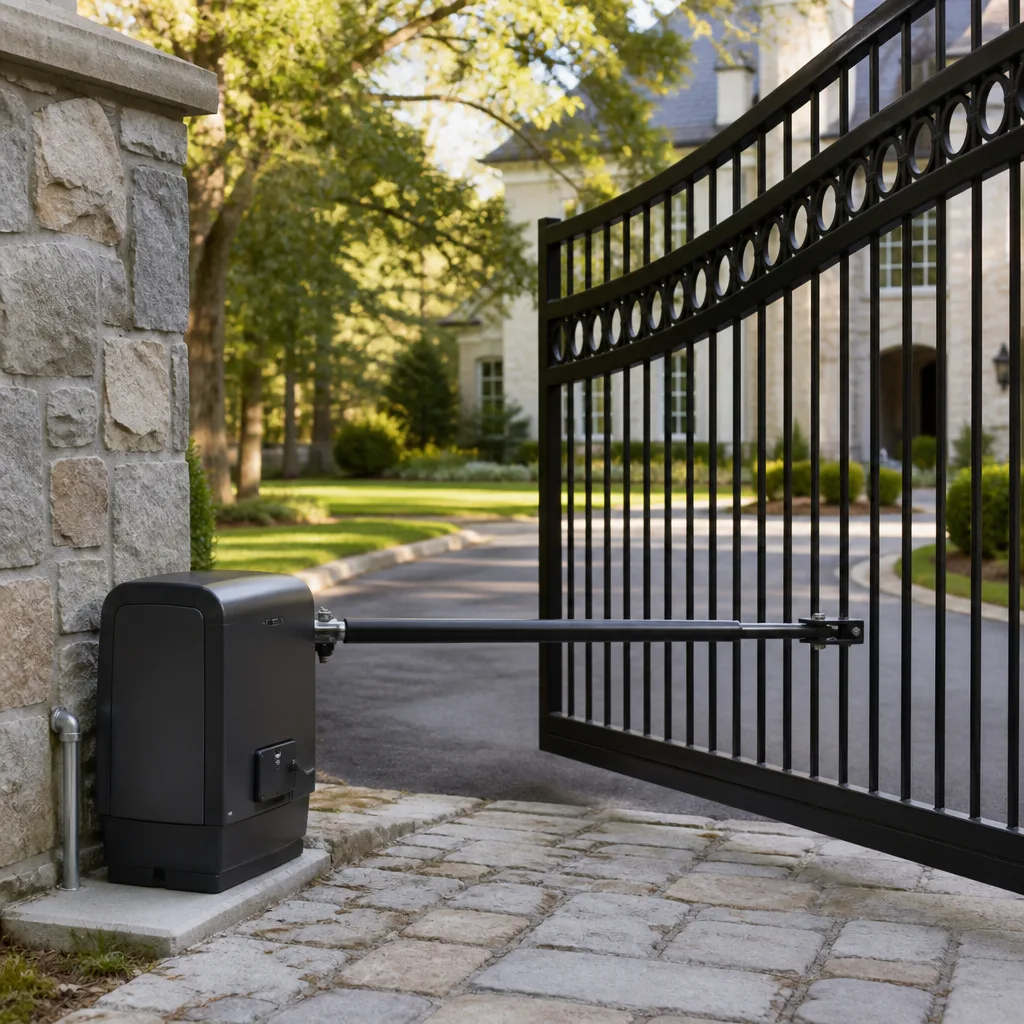 LiftMaster operators
Free on-site gate assessment - hinges, posts, and your LiftMaster or Nice gate operator checked before anything is quoted
The assessment is free and the quote is the invoice.
Get your free estimateChoosing the Right Gate Repair Brand: A Buyer’s Guide for Livermore
Here’s something most gate brand guides won’t tell you: the “best” brand on paper is often the worst one to own when it breaks. In Livermore, where summer temperatures routinely climb past 100 degrees and the Tri-Valley’s hard water and dust take a real toll on gate motors and control boards, parts availability matters more than feature lists. This guide walks through the brands we actually see in Livermore driveways and commercial lots, how they fail, what they cost to keep running, and how to choose one that won’t leave you waiting six weeks for a backordered board.
Styles & brands we work with
- Wrought iron
- Wood & steel frame
- Farm & ranch
- Sliding driveway gates
- LiftMaster operators
Quick Answer
The right gate repair brand in Livermore is the one with local distributor stock, a firmware update track that’s still active, and parts your technician can get in under 48 hours when the system fails. For most residential gates, LiftMaster and Ghost Controls offer the best balance of parts availability and repair cost in the Tri-Valley. For commercial or HOA gates, FAAC and BFT lead on build quality, but buyers need to verify local distributor inventory before committing, because some FAAC and BFT components are factory-order only with multi-week lead times.
Table of Contents
- Why Parts Availability Beats Brand Loyalty in Livermore
- Brand-Specific Failure Patterns We See in the Field
- Firmware, App Support, and the Three-Year Abandonment Problem
- Matching Brand to Use Case: Residential, Commercial, and HOA
- Total Cost of Ownership Over 10 Years
- How to Evaluate a Brand Before You Buy or Repair
- Common Mistakes to Avoid
- When to Call a Professional
- Frequently Asked Questions
- The Bottom Line
Why Parts Availability Beats Brand Loyalty in Livermore
The gate industry runs on a supply chain that most buyers never think about until their gate stops opening. Every brand has a different distribution model. Some stock parts at regional warehouses that serve Livermore directly. Others route everything through factory depots in Texas or Georgia, which means a simple control board replacement becomes a five-to-ten-day wait.
LiftMaster parts are the easiest to source in the Tri-Valley. Multiple distributors in the East Bay carry LiftMaster boards, motors, remotes, and safety sensors, and a technician can typically get what’s needed same-day or next-day. Ghost Controls, which shares a parent company with LiftMaster, also benefits from that distribution network, which is one reason we recommend Ghost Controls for homeowners who want smart features without the supply-chain risk.
FAAC and BFT are Italian-engineered brands with a strong reputation in commercial gate automation. Their hydraulic operators and heavy-duty slide gate systems are built to handle high cycle counts, but their parts distribution in Northern California is thinner. Some FAAC and BFT boards are stocked regionally; others are factory-order only. When a commercial property in Livermore loses a BFT control board and the part isn’t in regional stock, that gate can sit dead for a week or longer. We’ve seen it happen on HOA communities and apartment complexes. If you’re considering FAAC or BFT for a new install, ask your installer to verify that the specific operator model has local distributor coverage before you sign.
DoorKing and Linear sit in between. Both have decent parts coverage in California, but their supply chains are less predictable than LiftMaster’s. Viking and Mighty Mule round out the residential side. Mighty Mule is a common DIY brand sold at big-box stores, and its parts are usually available online, but the quality of the electronics doesn’t match what LiftMaster or Ghost Controls offer at a similar price.
The lesson here for Livermore buyers: a gate brand is only as reliable as the nearest warehouse that stocks its parts. Before you choose a brand for a new gate installation in Livermore, ask two questions. First, does a technician in the East Bay stock replacement boards and motors for this model? Second, if the answer is no, what’s the realistic lead time when something fails?
Brand-Specific Failure Patterns We See in the Field
Every gate brand fails eventually. The question is how it fails, and whether the failure mode is quick to diagnose and economical to repair. In our experience servicing gates across Livermore, each brand has a recognizable signature.
LiftMaster failures tend to cluster around the control board and the limit switch assembly. These are electronic failures, not mechanical ones. The good news is that both parts are commonly stocked, and a Livermore electric gate repair call for a LiftMaster is usually resolved in a single visit. LiftMaster motors themselves are dependable if the gate is balanced and the duty cycle is appropriate for the application.
Ghost Controls shares LiftMaster’s electronics lineage but is aimed at the residential DIY-install market. The most common Ghost Controls failure we encounter is the AC transformer and, on some models, the gear assembly. These are wear items, not design flaws, and the parts are affordable. The bigger issue with Ghost Controls is installation quality: many of these gates were self-installed by homeowners, and the original wiring or sensor placement is often the root cause of problems down the line.
FAAC hydraulic operators are built for commercial gates. When they do fail, it’s often a hose or seal leak, which is labor-intensive but repairable. FAAC’s electronics, particularly older boards, are less forgiving of power fluctuations. Livermore’s summer grid strain can produce voltage dips that trigger random shutdowns on older FAAC systems. A surge protector is cheap insurance on any FAAC install.
BFT operators are popular on condominium and apartment gates. Their boards are generally reliable, but BFT’s proprietary remote-control encoding sometimes creates compatibility issues when owners want to add a third-party smart-home bridge. Motor longevity on BFT slide-gate operators is generally good, provided the gate track is clean and the wheels are maintained. Neglect the track on a Livermore property with dusty, dry summers and the motor works harder, shortening its life.
Viking has a dedicated following in the access-control world because of its telephone-entry systems. The gate operators themselves are solid, but they are less common in residential installs. When a Viking system fails, the challenge is finding someone who has worked on enough of them to diagnose quickly. That’s a real consideration in Livermore, where general handyman services often don’t carry Viking experience.
Understanding a brand’s typical failure pattern matters because it tells you what to expect on a repair bill. A LiftMaster board swap is usually an hour of labor plus a part that’s in stock. A BFT proprietary component might require a factory order and two trips. The first scenario is an inconvenience. The second is a security problem for a commercial property.
Firmware, App Support, and the Three-Year Abandonment Problem
Smart gates are convenient until the manufacturer stops updating the app. Then you have a perfectly functional gate controller paired with an app that no longer connects to modern phones, and there’s no path forward except a hardware upgrade.
This is the quiet hidden cost of choosing a gate brand based on smart features. We’ve seen homeowners buy a gate opener with a slick app, only to discover three years later that the manufacturer has moved on to a new hardware platform and quietly sunset support for the old one. The gate still works from the hardwired keypad, but the phone-based control, the notifications, and the remote-open features disappear.
LiftMaster and Ghost Controls have the strongest firmware update track in the residential space. Both brands have maintained backward compatibility with their myQ platform across multiple hardware generations, and they push regular firmware updates. That’s not a guarantee, but it’s the best track record among brands commonly installed in Livermore.
FAAC and BFT update firmware less frequently, which is partly a function of their commercial focus. Commercial operators change model numbers slowly, and firmware is typically updated by a technician during scheduled maintenance rather than over-the-air. That stability is a feature for a property manager who doesn’t want surprises; it’s a drawback for a homeowner who wants the latest smart-home integrations.
Before buying any brand, check the manufacturer’s current app reviews and look at the release history. If the last app update was more than two years ago, assume the smart features are in maintenance mode at best. If the manufacturer has launched a new hardware generation with a different app, assume the old platform will be abandoned within a year or two. The cost of replacing a gate opener’s control electronics is often close to the cost of the original unit, so this matters on day one.
Matching Brand to Use Case: Residential, Commercial, and HOA
There’s no single best gate brand. There’s only the best brand for the gate you have and the way you use it.
For light residential use: If you open and close your gate a handful of times a day, Ghost Controls and LiftMaster are the most pragmatic choices. Both have strong parts availability in the Livermore area, both have current app support, and both have repair ecosystems that don’t require a specialist with exotic training. Mighty Mule is a cheaper DIY option, but we’d only recommend it for someone who accepts that when it fails, the most economical repair is often a full unit replacement rather than a component fix.
For heavy-use residential or small commercial: A gate that cycles 30 to 50 times a day needs a more robust operator than a homeowner’s swing gate. This is the territory where Linear and Viking start to make sense. Both are built for higher duty cycles than residential brands, and both have enough of a California service footprint to make repairs practical. The trade-off is fewer smart features and a less polished app experience.
For HOA-managed community gates and commercial properties: FAAC and BFT are the brands most often specified by gate installers for good reason. Their hydraulic operators handle heavy traffic, their electronics are built for commercial duty cycles, and their safety features meet the strictest code requirements. The caveat for Livermore HOA boards is the parts availability issue we discussed earlier. We always recommend keeping a spare board or critical sensor on-site for any commercial FAAC or BFT install, because a community gate outage that lasts a week is not just an inconvenience. It becomes an access-control failure that residents will not tolerate.
The honest summary: match the brand to the duty cycle and the real-world parts supply chain, not to the brochure.
Total Cost of Ownership Over 10 Years
Purchase price tells you almost nothing about what a gate system costs over a decade. Here’s a realistic 10-year ownership picture for the brands we’ve discussed, based on typical repair patterns in the Livermore climate, where dust, heat, and hard water accelerate wear on seals, sensors, and moving parts.
LiftMaster residential swing gate, 10 years: Expect one control-board replacement, one limit-switch service, and a pair of new remotes. Typical 10-year parts-and-labor total on the operator side: $1,200 to $1,800. Parts are stocked locally, so downtime is measured in hours, not days.
Ghost Controls residential, 10 years: Expect one transformer replacement, possibly a gear assembly, and one full remote replacement. Typical 10-year total: $1,000 to $1,500. Similar downtime profile to LiftMaster thanks to shared distribution.
BFT or FAAC commercial slide gate, 10 years: Plan for scheduled maintenance every 6 to 12 months at $200 to $400 per visit, plus one major component repair (board, hydraulic hose, or motor) sometime in the decade. Typical 10-year operator total: $4,000 to $7,000, including planned maintenance. The wild card is downtime. A factory-order part can stretch a repair from two days to two weeks, and for a commercial property, that downtime has its own cost.
Mighty Mule, 10 years: Often a false economy. The unit is cheap, but failures are frequent enough that replacement is usually more cost-effective than repair. Ten-year cost is often $800 to $1,200 in replacement units plus labor, with unpredictable downtime along the way.
The pattern here is consistent. The brands with the lowest purchase price and the weakest distribution network end up costing more per year of reliable service than the brands with mid-range hardware prices and strong local parts support. When a Livermore homeowner asks us to recommend a brand, we tell them to shop by ten-year cost, not by the number on the shelf tag.
How to Evaluate a Brand Before You Buy or Repair
If you’re standing in front of a failed gate or planning a new install, use this checklist to evaluate any brand in minutes.
- Check local parts availability first. Call a gate repair company in Livermore and ask directly: “If the control board on this model fails, how long does it take you to get a replacement?” A confident same-day or next-day answer tells you everything.
- Look at the manufacturer’s app release history. Search the app store and note the last update date. More than two years old is a warning sign. The brand’s app is the gateway to its smart features, and abandoned apps mean abandoned features.
- Ask what breaks on that specific model. Every model has a known weak point. A technician who services multiple brands can tell you exactly what to expect. A salesperson who only sells one brand can’t.
- Verify the duty cycle rating against your actual usage. Residential operators are not built for 50 cycles a day. If your gate serves multiple households or a business, you need a commercial-duty operator regardless of what the brand’s marketing says.
- Find out if the installer stocks replacement parts on their truck. This is a better predictor of future downtime than any brand reputation. Technicians stock parts for brands they expect to fix often.
This five-step evaluation takes less than half an hour and will save you from the most common trap in gate buying: choosing a brand based on brand name alone, without checking the repair ecosystem around it.
Common Mistakes to Avoid
- Buying a commercial-grade brand for a residential gate without checking parts supply. FAAC and BFT make excellent operators, but if your target model needs factory-order parts, a simple repair could stall for two weeks. A gate repair in Livermore should never be a two-week ordeal for a residential client.
- Assuming all repair companies work on all brands. Many local contractors fix the one or two brands they install. If your gate is a Viking or a BFT, ask upfront whether the company has serviced that specific brand before. We work on nine major brands, which means we’re just as comfortable on a Ghost Controls swing gate as we are on a FAAC commercial slide operator.
- Ignoring the climate factor. Livermore’s temperatures are hard on electronics and hydraulic seals. A gate operator that lasts 15 years in a coastal climate might last 8 to 10 here without regular maintenance. Plan for that.
- Choosing a brand based on a single online review. One angry review doesn’t condemn a brand, and one glowing one doesn’t validate it. Look for patterns: repeated complaints about the same component, or repeated praise about the same strength.
- Skipping surge protection on electronic gate systems. Tri-Valley summer brownouts and the occasional winter storm both stress gate electronics. A $100 surge protector can prevent a $500 board failure. We mention this to every Livermore client with an automated gate.
- Not asking about firmware support before buying a smart gate. Smart features are only worth what the manufacturer continues to support. If the app was last updated years ago, you’re buying a feature that’s already dying.
When to Call a Professional
Some gate repairs are safe and straightforward for a handy homeowner: replacing a remote battery, clearing debris from a track, or re-aiming a safety sensor. But when the problem involves a control board, a motor, a hydraulic operator, or any wiring connected to line voltage, that’s a job for someone who does this every day. Gate operators mix electricity, moving metal, and pinch-point hazards, and a miswired board or an incorrectly adjusted limit switch can cause serious injury. Gate Repair Livermore offers free estimates in Livermore – call (877) 752-3814 and we’ll tell you honestly whether it’s a do-it-yourself fix or a technical repair. For anything involving the operator itself, we recommend the professional route.
Frequently Asked Questions
LiftMaster has the strongest parts availability in the Tri-Valley, with multiple East Bay distributors stocking boards, motors, and remotes. Ghost Controls benefits from the same distribution network.
For residential use in Livermore, LiftMaster and Ghost Controls are the most dependable choices because parts are locally stocked and the repair ecosystem is mature. If you need help deciding, call (877) 752-3814 for a free consultation.
A residential control board replacement typically runs $300 to $600 including labor, depending on the brand and model. Commercial boards from FAAC or BFT can run $500 to $1,200, and factory-order boards add a week or more to the timeline. Exact pricing is always quoted and agreed before any work starts.
Yes, we repair Mighty Mule as well as Ghost Controls, LiftMaster, Linear, Viking, DoorKing, FAAC, BFT, and Elite. If you installed it yourself and it stopped working, we can diagnose whether it’s repairable or better replaced.
In Livermore’s heat and dust, a well-maintained residential operator typically lasts 8 to 12 years. Regular cleaning and lubrication of the track and hinges extends that lifespan meaningfully, especially on properties in the dry foothills.
Yes, we service gates installed by any contractor. Our brand-agnostic approach means we work on the system you have, not the system we prefer to sell. This is a core part of our Gate Repair Livermore service model. Gate repair in Livermore comes with a free estimate and a clear explanation of what’s wrong before any work begins, and the same applies to our electric gate repair services.
The Bottom Line
Choosing a gate brand in Livermore is a supply-chain decision first and a features decision second. Brands like LiftMaster and Ghost Controls win on parts availability and firmware longevity for residential users. FAAC and BFT earn their place on commercial and HOA gates, but only with local parts stock verified and spare components on hand. Whatever brand you own or choose, the practical question is the same: when something breaks, can someone fix it this week? If you’d like an honest assessment of your current gate or a free estimate on a new one, gate installation in Livermore quotes are free, and the price is always agreed before work starts. Call (877) 752-3814 to talk it through.
Written by the team at Gate Repair Livermore.
See the difference
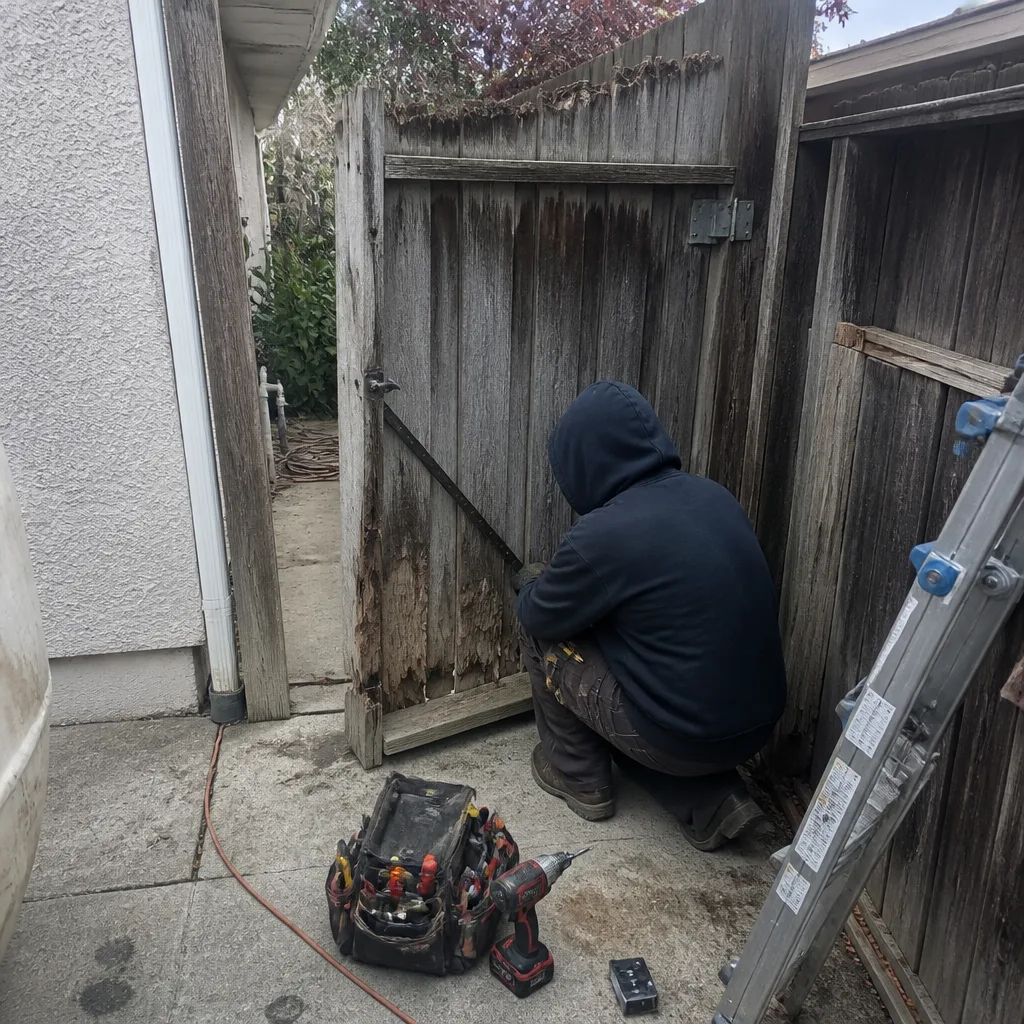 Before
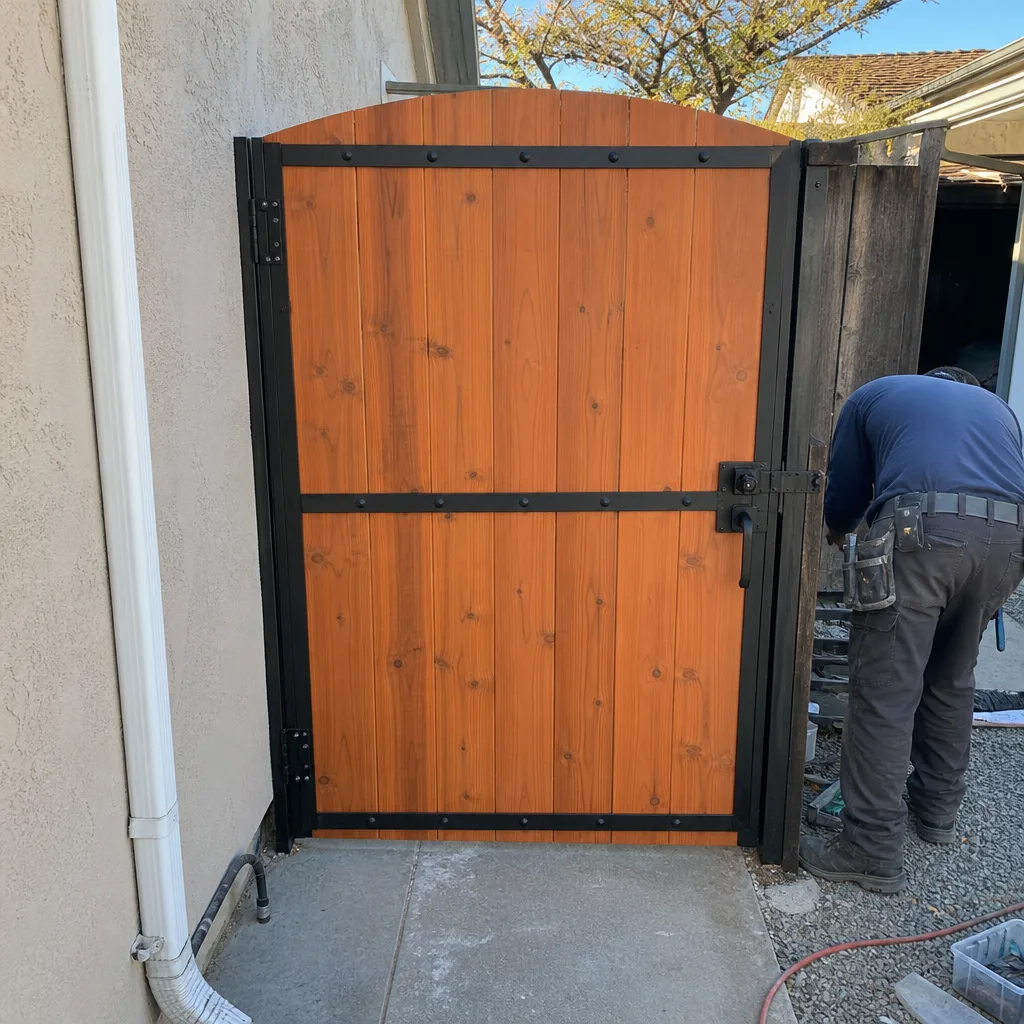 After
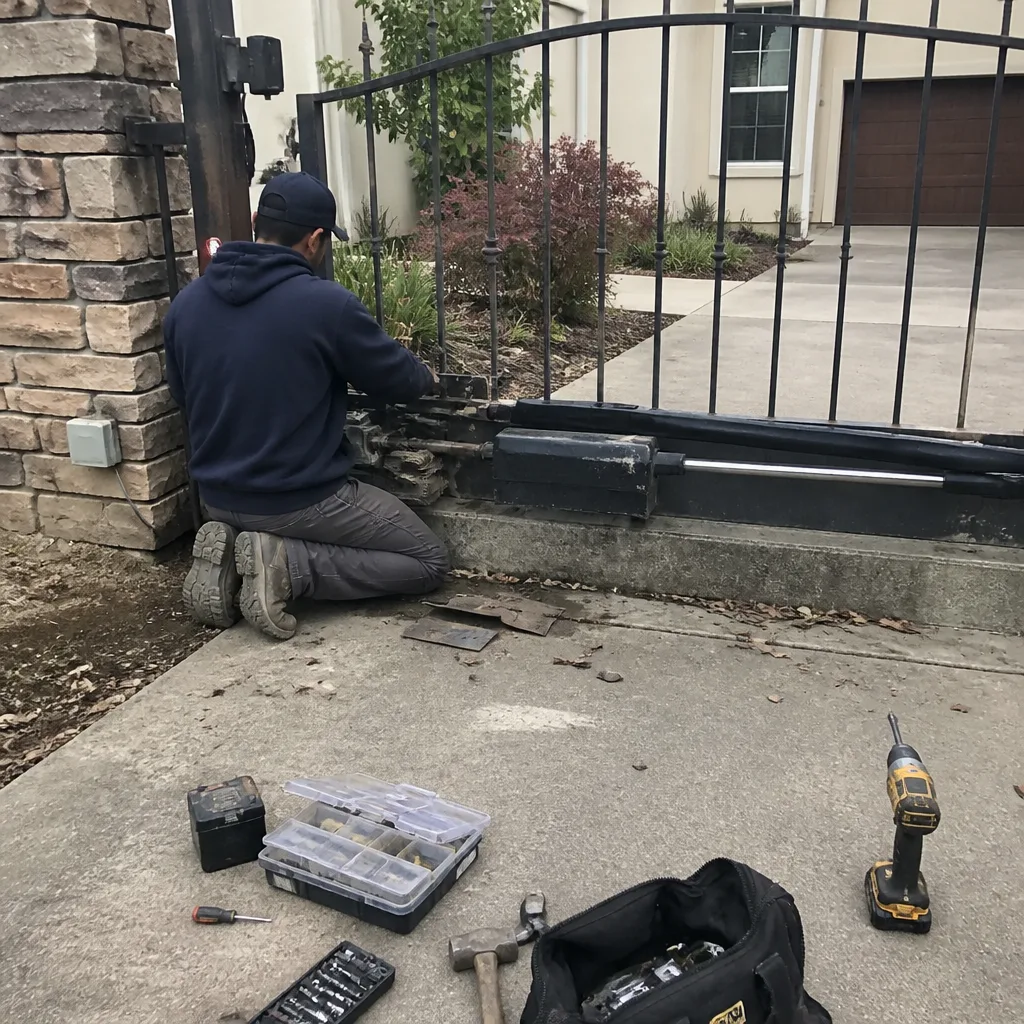 Before
 After
 Before
 After